
Unpacking Kōwhiti Whakapae PLD Series: Integrating the resource in-centres across Waikato ECE
Updated: Nov 13, 2025
We are absolutely thrilled to launch our newest Strengthening Early Learning Opportunities (SELO) professional learning Kōwhiti Whakapae PLD Series in Waikato, delivered in partnership with the Ministry of Education. This project marks a significant step forward in supporting kaiako across the region as they explore Kōwhiti Whakapae, a powerful evidence informed resource designed to enrich oral language, social emotional learning, early literacy, and early mathematics in early childhood settings.
Across our first workshops, the energy has been palpable. Teachers have shared excitement, relief, and a deep sense of purpose as they begin to see how Kōwhiti Whakapae can transform their everyday practice.
“Enjoyed PLD lots of learnings. Very helpful to learn how to navigate the website “
“Great facilitation, good information and use of personal examples applied to the content to give context”
“ I really enjoyed the section about the four functions of behaviour. Could definitely think of some examples in my centre. “
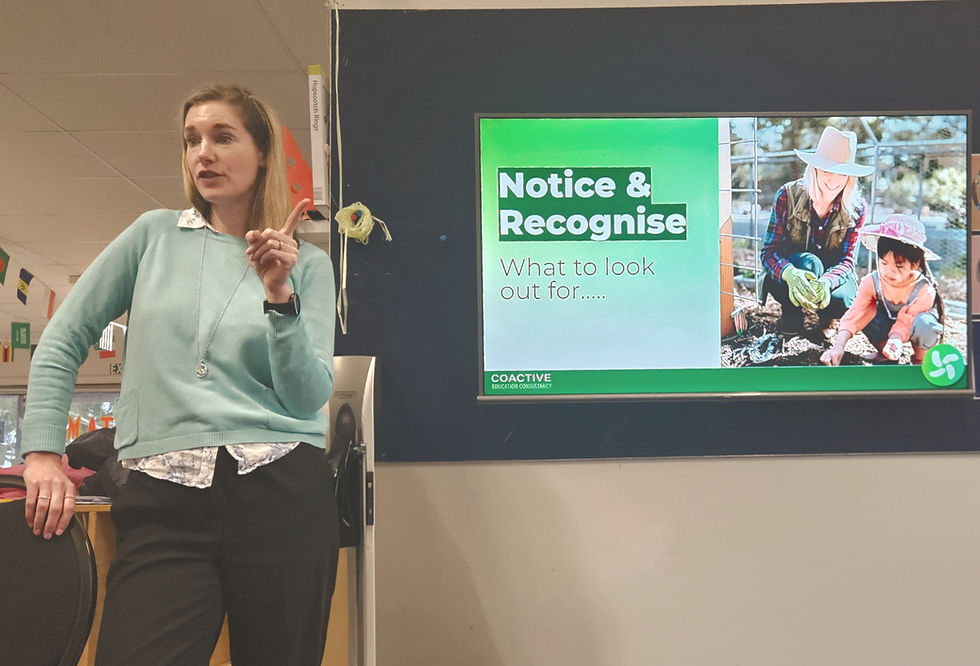
Our incredible facilitation team including Michelle Nel, Selena Hinchco, and Robert Jensen has been walking alongside kaiako as they explore what this resource can mean for their centres, communities, and tamariki. We are deeply proud of this kaupapa, and we can already see the ripple effect it is beginning to create.

Why This Kōwhiti Whakapae PLD Series Matters: Supporting Kaiako With a New Ministry Resource
Kōwhiti Whakapae is an integrated practice framework that aligns with Te Whāriki and strengthens formative assessment and planning in three essential learning areas. As outlined in our Social and Emotional Learning PLD workbook, it helps kaiako to:
Notice
Recognise
Respond to children’s strengths and capabilities over time
This reflective four step approach supports kaiako to create enabling environments, work collaboratively as teams, and make informed decisions about teaching practice.
In the Social and Emotional Learning resource, kaiako are reminded that
“Children who have effective social and emotional skills experience positive benefits in childhood and are more likely to experience positive life outcomes and wellbeing in adulthood”.
This is why being intentional about these foundational areas matters so deeply.
Kōwhiti Whakapae gives kaiako a shared language, a clear process, and richly developed examples that help them understand progress in ways that honour identity, language, culture, and whānau. Progress, as our Early Literacy PLD explains, is “described across four phases, not age based, cumulative and overlapping”. This is a powerful shift from more linear models.
Why This Kaupapa Is Important for Tamariki
It supports holistic, culturally grounded learning
The framework draws deeply on Te Ao Māori concepts such as manaakitanga, whanaungatanga, pūmanawatanga and mana motuhake. These concepts ensure that children’s progress is seen through a strengths based, relational lens.
It centers oral language and social emotional development
Kōwhiti Whakapae holds the idea that “we feel, therefore we learn” in he core of it's philosophy. Emotional safety, connected relationships, and inclusive environments are not the “soft skills.” They are what make learning possible.
It strengthens early literacy through the science of reading
Our PLD guides kaiako to understand essential components such as phonological awareness, vocabulary knowledge, and concepts of print. As it explains: Decoding + Comprehension = being able to read. This means early literacy is not about pushing reading early. It is about intentionally weaving conversations, books, sounds, and meaning making throughout children’s play.
Three Practical Tips Kaiako Can Start Using Today
These tips, drawn directly from our PLD workbooks and presentations, can help kaiako quickly embed pieces of Kōwhiti Whakapae into their daily practice.

1. Support Children’s Self Regulation Through Co-Regulation
From the Social and Emotional workbook, six clear strategies include:
Staying calm and present
Acknowledging and naming emotions
Creating safe calming spaces
Teaching simple coping strategies such as breathing techniques
This is foundational for emotional awareness and connection.
2. Prioritise High Quality, Frequent Shared Reading
The Early Literacy workbook highlights the importance of:
Reading to all tamariki daily
Making books highly visible in your environment
Ensuring one team member is “on reading” for much of the day
This enriches vocabulary, strengthens comprehension, and grows early print knowledge.
3. Build Phonological Awareness Through Playful Word and Sound Activities
Phonological awareness skills such as rhyme, syllable blending, and phoneme segmentation are essential strands in early reading. Kaiako can integrate simple activities such as:
“Say rainbow without rain = bow” (phoneme deletion)
“Change m in man to p = pan” (substitution)
These playful interactions are fun for tamariki and deeply powerful for literacy.
Looking Ahead: What We Are Most Excited For
We are already seeing shifts in thinking, confidence, and collaboration. Teams are beginning to reflect on their environments, observe with new clarity, and design learning responses that are more targeted, meaningful, and culturally grounded.
Most importantly, we cannot wait to watch the impact unfold: The strengthened oral language, the deeper emotional confidence, the growing early literacy skills, and the joy of learning that tamariki will experience through this work.
This is just the beginning, and we are so proud to be doing this mahi alongside such passionate, dedicated kaiako across Waikato.


Comments